Sea transport of livestock: challenges and prospects
- Evguenia Dereviankine
- 03 February 2026
En bref
The transport of livestock is carried out under deplorable conditions, with a lack of supervision. An urgent international solution to this problem is needed.
On January 23, an international conference on the sea transport of livestock was held in the Senate, organized by Senator Arnaud Bazin, Senator for Val d’Oise, President of the “Animals and Society” section, Vice-President of the “Livestock Farming” study group, and the French Maritime Law Association , represented by Ms. Nathalie Soisson, chair of the “Transport of Live Animals” commission. The conference brought together industry experts, lawyers, and representatives of maritime authorities. This event shed light on a technical subject that is often overlooked, at the crossroads of international trade, animal welfare, and maritime safety, which deserves widespread publicity and strong commitments.
An aging fleet and unsuitable vessels
The sea transport of livestock mainly concerns cattle intended for breeding or slaughter. This trade is driven by economic considerations based on the low cost of sea transport and differs from other forms of animal transport, such as that of elephant calves, rhinos, or giraffes, which are transported by air from Africa to China, Saudi Arabia, or the United States.
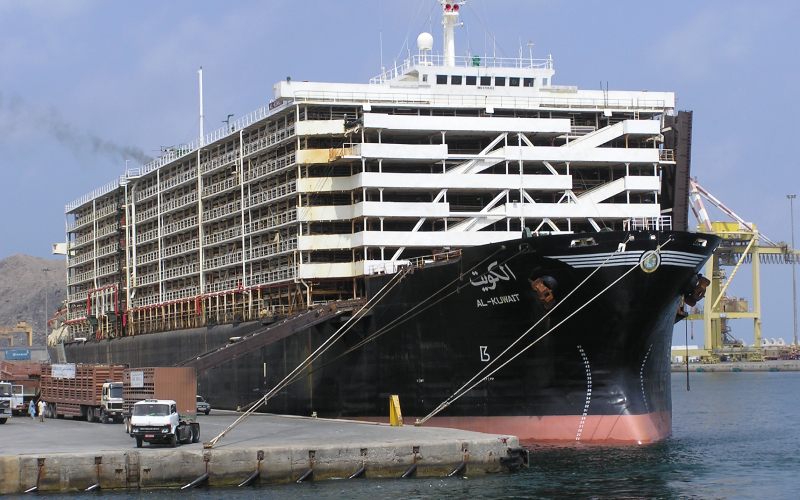
The global fleet dedicated to the maritime transport of livestock, estimated at around 110 to 120 vessels, is characterized by advanced aging. The average age of vessels transporting these animals is around 42 years, with some exceeding 60 years. It is important to note that the retirement age for a vessel is around 29/30 years.
Concerning transport conditions
Loading operations are a high-risk phase. Animals often endure long periods of waiting before boarding. The pressure to load quickly encourages rough handling. Veterinary intervention remains very limited.
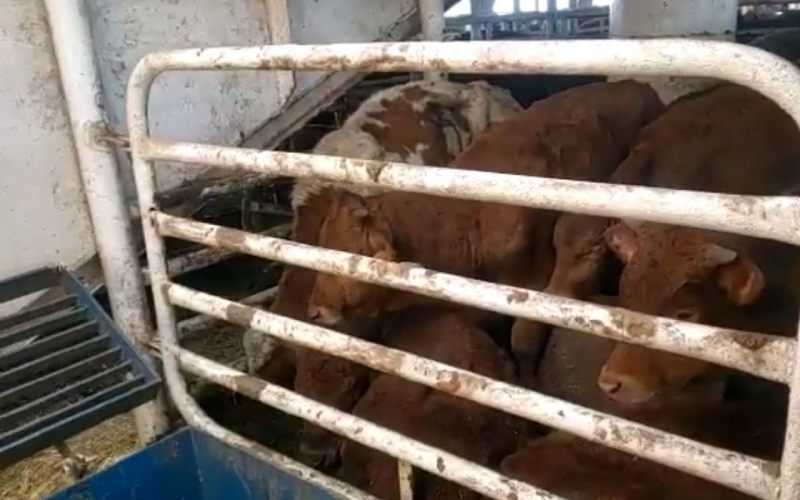
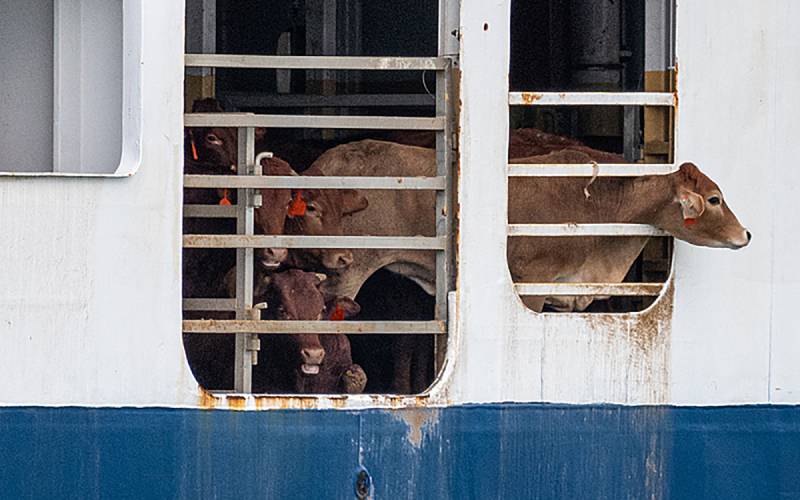
Once on board, overcrowding is regularly observed. In addition, ramps are often steep and slippery, access points are inadequately lit, and corridors are poorly designed. Unsuitable barriers lead to animals falling or escaping, exposing crews to risks.
Ventilation, heat, humidity, and waste management systems remain inadequate on many ships. The sector is referred to as “dark shipping” because it relies on flags of convenience and is accompanied by social dumping practices. No specialized ships sail under the French flag.
A deficient legal framework
International conventions promoted by the International Maritime Organization regulate ship safety and pollution prevention (SOLAS and MARPOL). However, there are currently no international regulations specifically dedicated to the maritime transport of livestock.
At the European level, Regulation (EC) No. 1/2005 is the main applicable legal framework. However, it is difficult to distinguish between road and sea transport. Furthermore, the concepts used remain general and leave a wide margin of discretion to national authorities.
Otherwise, the liability of the maritime carrier remains governed by contractual freedom, allowing it to limit its liability (see, for example, the Pearl of Para case , January 21, 2021, Paris Court of Appeal, where more than 2,000 cattle died during maritime transport between the United States and Russia – the Court of Cassation dismissed the appeal in 2022).
International examples and areas for improvement
Australia and Ireland are the only two countries in the world to have adopted regulations in this area. As a result of these regulations, out of the entire global fleet (~110/120 vessels), only 20 vessels are allowed to operate in Australia, as they are the only modern and safe ships. New Zealand has banned all exports of livestock in 2023. India is planning a similar ban by 2028.
Improving the existing framework requires the development of specific international standards. The maritime transport of livestock must be placed on the IMO’s agenda. A revision of European regulations is also underway. The draft provides advances in terms of the age of animals, density, temperature, and duration of journeys.
Finally, clarification of legal responsibilities appears necessary. Stricter supervision of contractual clauses and the development of a dedicated standard maritime contract could reinforce the diligence of stakeholders and improve the traceability of obligations throughout transport.
By Matthieu LEVASSEUR , lawyer,
and Evguenia DEREVIANKINE , founding partner
February 3, 2026